

Ground Penetrating Radar Services for Healthcare Facilities
Welcome to Safe2core, your trusted partner for comprehensive concrete scanning, ground penetrating radar (GPR), private utility locating, and non-destructive subsurface imaging services for healthcare facilities. Hospitals, medical centers, outpatient clinics, laboratories, and healthcare campuses rely on accurate underground and embedded infrastructure data before drilling, coring, cutting, trenching, or renovation begins.
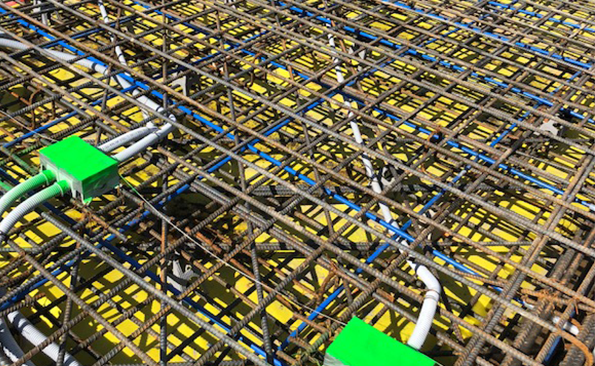
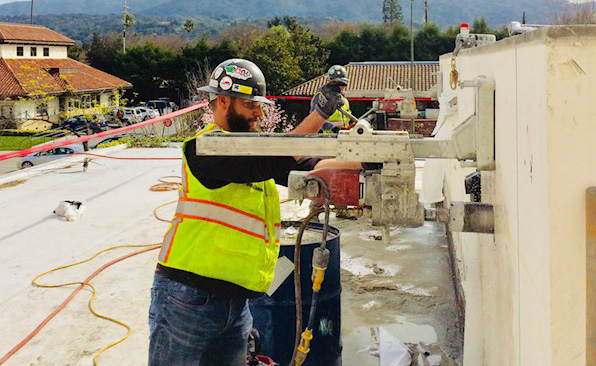
Our experienced team uses advanced GPR technology and utility locating equipment to identify post-tension cables, reinforcing steel, conduits, plumbing, electrical systems, and underground utilities without damaging critical infrastructure. We understand that healthcare environments require precision, minimal disruption, and strict attention to safety to keep patients, staff, and essential medical services operating without interruption.
Whether supporting hospital expansions, MRI and imaging suite installations, emergency department renovations, medical office construction, or routine facility maintenance, Safe2core delivers accurate subsurface information that helps reduce project risk, avoid costly delays, and improve jobsite safety. Trust Safe2core to provide reliable concrete scanning and utility locating services that keep your healthcare construction projects moving forward safely and efficiently.
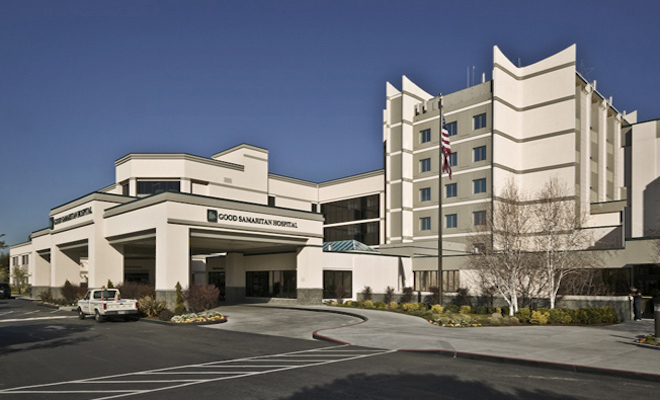
- Good Samaritan Hospital – San Jose, CA
- Stanford Hospital – Sanford, CA
- Lucile Packard Children’s Hospital – Mountain View, CA
- Sequoia Hospital – Redwood City, CA
- Salinas Valley Medical – Salinas, CA
- Kaiser Permanente Hospital – Various Locations Northern CA
- Queen of the Valley Hospital – Napa, CA
- St Mary’s Hospital – San Francisco, CA
- St Helena Hospital – St Helena, CA
- Highland Hospital – Oakland, CA
- Martinez County Hospital – Martinez, CA
- Community Hospital of Monterrey Peninsula – Monterey, CA
- Washington Hospital – Fremont, CA
- VA Hospital – Northern and Southern, CA
- Joseph’s Hospital – Oakland, CA
- Santa Clara Valley Medical Center – San Jose, CA
- Hazel Hawkins Hospital – Hollister, CA
- Chinese Hospital – San Francisco
- Moffett Hospital – San Francisco, CA
- El Camino Hospital – Mountain View, CA
- Genetech – South San Francisco, CA
- And more……
Unseen Foundations: How Ground Penetrating Radar Services Transform Healthcare Facility Safety
When a hospital embarks on new construction or schedules routine maintenance, the margin for error narrows dramatically. Precision beneath the surface takes on heightened significance, as even small missteps can impact patient safety, critical operations, or the structural integrity of the facility itself. Unmarked utilities, unknown voids, and legacy infrastructure present a maze unique to healthcare environments, where traditional investigative approaches may not suffice. How does one accurately map what lies beneath without halting vital operations or disturbing sensitive areas? Ground Penetrating Radar (GPR) enters this complex picture as a sophisticated solution, offering high-resolution imaging that minimizes disruption while revealing concealed threats or inefficiencies. Consider how the strategic use of GPR reduces surprise encounters during expansion, supports infection control by limiting unnecessary wall or floor breaches, and helps facilities meet the stringent demands of regulatory compliance. What possibilities emerge when a hospital has clear, data-backed insight into its own hidden infrastructure?
How Ground Penetrating Radar Transforms Subsurface Insight
Brief Overview of the Technology
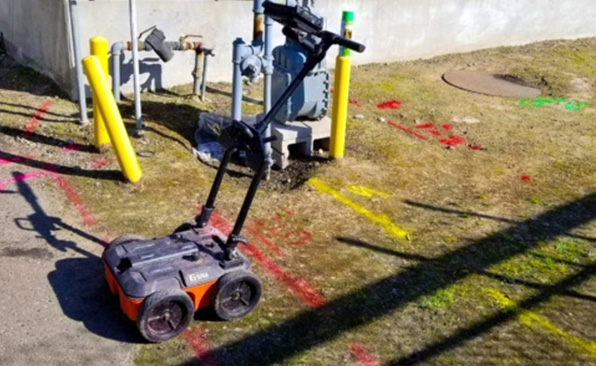
Ground Penetrating Radar (GPR) uses high-frequency electromagnetic waves-typically ranging from 10 MHz to 2.6 GHz-to capture subsurface images in real-time. Operators move a GPR antenna along the surface; this antenna emits radar pulses into the ground or built structures. When these pulses encounter materials with varying dielectric properties-such as concrete, soil, water, metal, and voids-portions of the signal reflect back. The system records the travel time and strength of these reflections, creating cross-sectional images of the subsurface composition.
Healthcare facilities require a comprehensive understanding of what lies beneath floors, around foundations, and inside walls. GPR achieves centimeter-level resolution in most indoor hospital environments, according to National Institute of Standards and Technology (NIST) technical reports. Unlike X-rays, GPR offers no exposure risks and requires no targeted shielding, so scanning occurs without extensive site preparation or patient-area shutdowns.
GPR Versus Traditional Survey and Inspection Methods
- GPR visualizes both metallic and non-metallic elements, whereas metal detectors and electromagnetic locators are limited to conductive objects.
- Hand-drawn as-built plans and archived construction documents cannot verify undocumented changes; GPR pinpoints anomalies, utilities, and previous repairs with direct subsurface verification.
- Core drilling to inspect hospital slabs disrupts operations, presents a high risk to medical gas lines, and creates dust contamination-GPR sidesteps these issues and delivers immediate digital results.
- Time to survey with GPR averages 30-90 minutes for a typical hospital imaging suite. Traditional invasive inspection might require multiple shifts.
Non-Destructive, Non-Invasive Approach to Hospital Infrastructure Analysis
GPR scanning leaves floor finishes, walls, and sensitive treatment areas intact. Technicians deploy the equipment with minimal setup-cordless and battery-powered GPR units roll through corridors, imaging below operating room slabs or mechanical room floors. By mapping rebar, utilities, post-tension cables, and voids in real time, GPR supports infection control and workflow integrity, aligning with CDC healthcare construction recommendations. What previously required shutdowns or exposure of critical infrastructure now occurs quietly, often in less than an hour.
Given GPR’s refusal to break, cut, or otherwise disrupt hospital infrastructure, project managers and facility directors gain reliable, in-depth knowledge at lower risk and without service interruptions.
Project Success Starts Below Ground: Key Applications in Healthcare Facilities
Utility Location and Mapping Prior to Construction, Renovation, or Expansion
Trying to break ground on a new wing or retrofit existing healthcare spaces? Discovering the precise layout of subsurface utilities eliminates guesswork and minimizes delays. Ground Penetrating Radar (GPR) services enable facility teams and contractors to:
- Detect electrical lines, water and gas pipes, steam tunnels, and telecommunications infrastructure up to several meters deep, depending on soil composition.
- Generate digital utility maps that integrate seamlessly into Building Information Modeling (BIM) systems used by modern healthcare architects and engineers.
- Prevent accidental strikes: According to the Common Ground Alliance (2023), utility damage incidents result in over $30 billion of direct and indirect costs annually in the U.S.; GPR locating sharply reduces these risks on medical campuses.
Have you considered how accurate mapping shields ongoing patient care from construction disruptions? The need for certainty beneath hospital floors reaches new heights in these high-stakes environments.
Reliable Assessment During Emergency Response and Urgent Repairs
When water lines rupture or electrical outages threaten critical spaces like operating rooms or imaging suites, time becomes a factor of life safety. GPR services support rapid decision-making by:
- Pinpointing break locations beneath slab-on-grade or concrete-encased areas without destructive coring or excavation.
- Allowing rapid mobilization-even in active hospital settings where operational continuity cannot be compromised.
- Supporting multidisciplinary teams by providing clear, actionable data that speeds up service restoration and reduces patient impact during emergencies.
Consider the ways facility managers quickly restore life-support utilities during events such as natural disasters or infrastructure failures-GPR enables precise intervention, ensuring that critical care environments never miss a beat.
Pre-Emptive Planning for Preventative Maintenance Projects
Why wait for a system to fail before taking action? Proactive use of GPR detects aging utilities, hidden voids beneath floor slabs, or previously undocumented pipes and conduits. Healthcare facilities prioritize preventative maintenance to mitigate unplanned outages in acute care and diagnostic zones. By incorporating up-to-date subsurface data, teams:
- Schedule targeted renewals, upgrades, or component replacements based on actual field conditions, not guesswork.
- Anticipate and prevent the domino effect of failure in mission-critical systems, such as chilled water loops or redundant medical gas lines.
- Protect irreplaceable assets-both infrastructure and patient safety-by integrating GPR findings into ongoing maintenance cycles.
Reflect for a moment on the strategic edge gained by leaders who deploy advanced subsurface knowledge. How will you leverage GPR insights to safeguard daily operations and plan confidently for the future?
The Role of GPR in Today's Airport Terminal Development
Ground Penetrating Radar (GFP) services are reshaping airport terminal development by streamlining planning and construction. This technology facilitates a thorough understanding of what lies beneath the surface, thus optimising the design phase for future terminals. Specialists utilizing GPR can detect and map underground utilities, geological features, and potential obstructions, hence benefiting the intricate process of terminal development.
Terminals remain operational hubs with a need for continuous assessment and upgrading. GPR services ensure that these activities do not compromise safety. By accurately identifying the location of subsurface features, GPR reduces the risk of damaging existing structures during expansions and renovations. Moreover, this radar technology allows for efficient planning and execution of maintenance work, directly impacting an airport’s capability to remain functional and safe without significant service disruptions.
- Enhanced planning precision leads to optimized construction workflows.
- Comprehensive assessments mitigate risks associated with terminal modifications.
- GPR technology supports the proactive identification of maintenance needs.
Hazard Detection: Ensuring Safety Above and Below Ground in Healthcare Facilities
Pinpointing Voids, Anomalies, and Structural Compromises
Hidden dangers such as subsurface voids, shifting soils, and compromised structural elements can put both patient care and facility operations at risk. Ground Penetrating Radar (GPR) reveals these concealed threats. By emitting high-frequency radio waves, GPR captures real-time images of what lies beneath concrete slabs, flooring, or building foundations. Healthcare facility managers can identify not only voids created by erosion or settling but also anomalies like unplanned cavities or substrates affected by water intrusion. Have you ever considered the impact an undetected void might have under a busy imaging suite or surgical center?
- Specialists use GPR to delineate areas of low soil compaction, signaling possible sinkholes or washouts beneath hospital corridors.
- Mapping of unexpected underground installations-like old conduit runs or abandoned foundations-prevents accidental disruptions during routine renovations.
- Structural assessment reports pinpoint compromised rebar grids or delamination, which undermines the integrity of support slabs.
Risk Management: Early Detection for Compliance and Safety
Healthcare environments face strict safety regulations, including those outlined by authorities such as The Joint Commission and OSHA. Early detection of hazards ensures that all compliance standards continue to be met. According to data published in the journal Facilities (2023), more than 23% of surveyed hospitals identified at least one subsurface anomaly during scheduled maintenance scans using GPR technology. This detection stops potential accidents, prevents utility outages, and guarantees uninterrupted patient care.
Facility managers rely on these insights for proactive scheduling of repairs and interventions, rather than responding reactively to emergencies. Which regulatory check will your next inspection highlight as a success because of early hazard detection efforts?
Proactive Hazard Mitigation Prevents Costly Shutdowns
Unplanned hospital shutdowns result in significant financial losses, as well as risks to patients and staff. The American Society for Health Care Engineering (ASHE) estimated in 2022 that the median cost of a 24-hour operating room shutdown due to infrastructure failure exceeds $51,000, excluding cascading impacts on patient throughput and emergency care. GPR empowers facilities to intervene before minor anomalies escalate into major failures. Maintenance teams can divert foot traffic, reinforce structures, or plan targeted excavations, all based on precise GPR data. How might your operation improve if outages and delays were consistently avoided through advanced hazard mapping?