

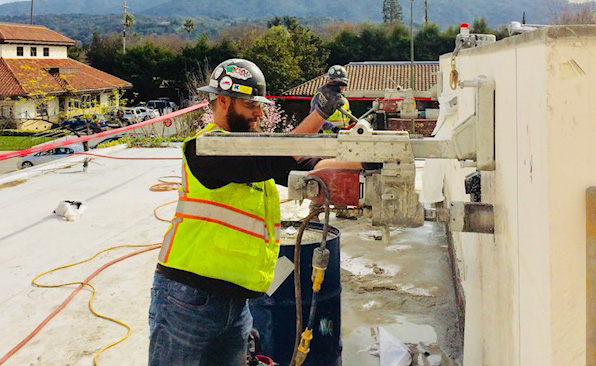
Safe2core provides professional hydro excavation services in Northern California, supporting contractors who need accurate subsurface exposure without the disruption of traditional digging. Serving key markets such as Sacramento, Roseville, West Sacramento, and Elk Grove, the team uses advanced equipment and proven field practices to expose underground utilities, verify depths, and support complex infrastructure work.
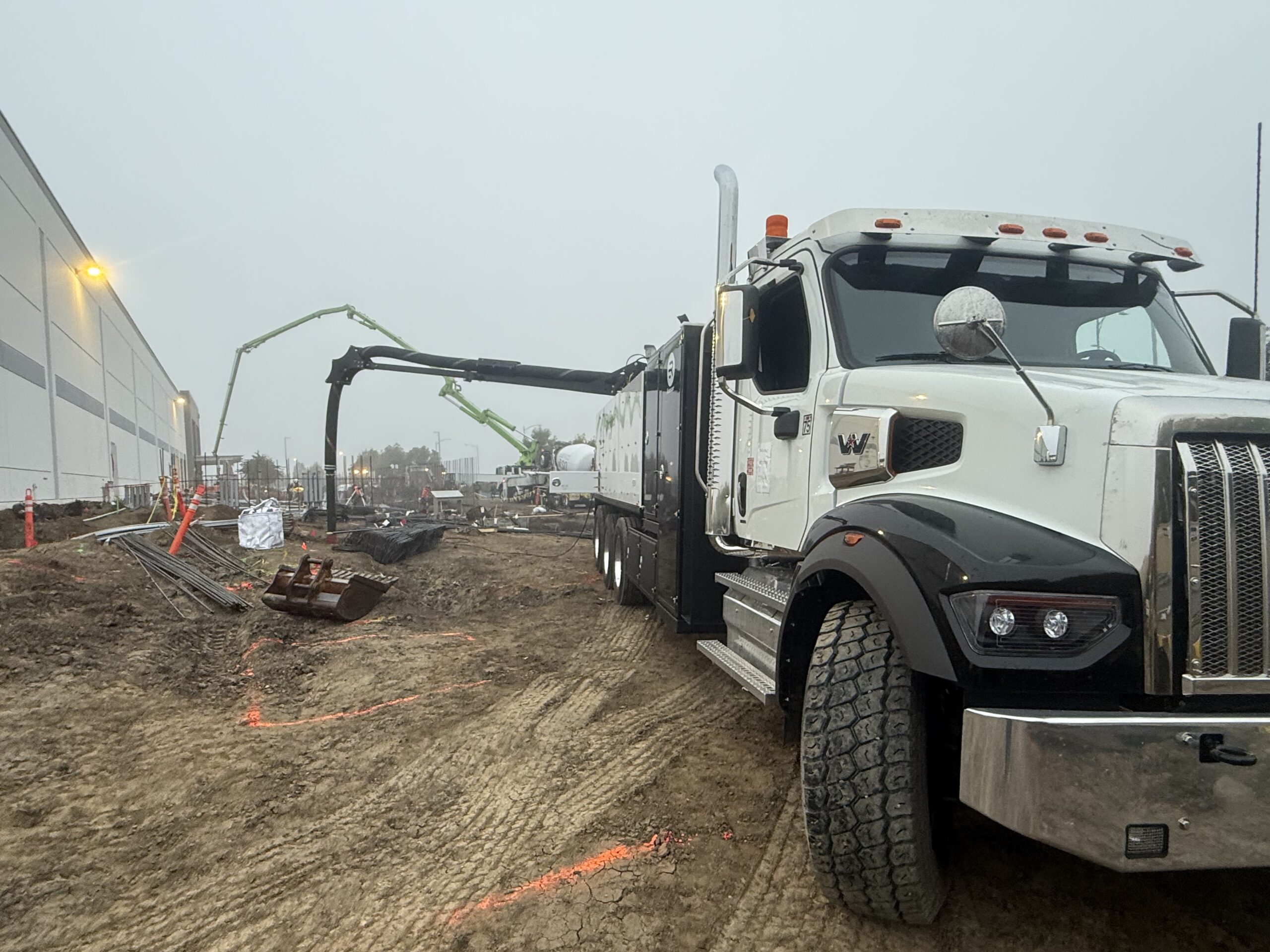
Hydro excavation uses a combination of pressurized water and a high-powered vacuum system to cut and remove soil in a controlled way. A focused water jet loosens and liquefies the soil, while a powerful vacuum hose immediately extracts the slurry into a debris tank. This method leaves existing utilities, structures, and surrounding ground conditions far more intact than mechanical excavation, and it creates a clean, well-defined excavation area that crews can work in with confidence.
Across Sacramento and the wider Northern California region, construction and utility contractors rely on hydro excavation for utility potholing and daylighting, where they expose and visually confirm buried lines before construction, boring, or trenching proceeds. By uncovering gas, water, sewer, electrical, and communications infrastructure with water and vacuum rather than teeth and metal, contractors reduce the likelihood of strikes, delays, and rework while improving overall site safety for their crews and the public.
During underground utility protection work, hydro excavation supports safer planning and installation. Crews use it to verify as-built conditions, expose conflict points, and create precise access around congested utility corridors. When project teams combine accurate subsurface data with non-destructive digging, they manage risk better and maintain tighter control over schedule and cost. On active sites, this method also supports stronger site safety, because excavations can be smaller, cleaner, and easier to secure.
Commercial builders, municipal agencies, and utility contractors across Northern California gain several advantages from hydro excavation. They streamline utility investigations before road work or streetscape improvements, coordinate around existing infrastructure on infill projects, and keep critical services online while work proceeds nearby. From office and mixed-use developments in Sacramento, to public works in Roseville, to utility upgrades in West Sacramento and Elk Grove, hydro excavation integrates smoothly with modern construction and asset management practices.
Safe2core’s teams bring substantial field experience in hydro excavation to these environments, applying established procedures and specialized equipment to support complex, schedule-driven projects. That experience helps project owners, engineers, and general contractors move from uncertainty about what lies below the surface to verifiable information they can build on. As you plan your next project in Northern California, how will accurate, non-destructive excavation change the way you manage underground risk?
Understanding Hydro Excavation Services in Northern California
What Hydro Excavation Services Deliver
Hydro excavation uses a controlled stream of pressurized water to break up soil while a high-powered vacuum lifts the slurry into a debris tank. This non-destructive process exposes underground utilities, foundations, and structures with a level of precision that mechanical digging cannot match. In the Sacramento region and across Northern California, Safe2core deploys purpose-built hydro vacuum trucks that operate effectively in dense urban corridors, industrial plants, and congested rights-of-way.
Instead of relying on metal teeth or buckets that cut blindly into the ground, hydro excavation combines water cutting and immediate spoil removal. The process reduces point loads on buried assets, maintains clear visibility for operators, and produces consistently clean, well-defined excavations that meet demanding project specifications.
Step-by-Step Hydro Excavation Process
You might wonder what actually happens from truck arrival to a clean, exposed utility line. The workflow follows a repeatable sequence that produces predictable results on every Safe2core project.
- 1. Onsite setup and hazard verification A hydro vac truck positions within hose range of the dig area, usually within 50–200 feet depending on access. Operators complete a hazard check that includes traffic, overhead lines, and existing surface structures. The crew establishes a controlled work zone so the hose path and spoil routing stay clear throughout the operation.
- 2. Calibration of water pressure and flow The operator selects a nozzle and pressure setting aligned with the soil profile and expected utilities. Typical working pressures range between 1,500 and 3,000 psi for most Sacramento-region clays and compacted fills, while extremely sensitive areas with fiber or older duct banks may use lower pressures and wider spray patterns. Flow rates often sit in the 5–12 gpm range to balance cutting efficiency and material control.
- 3. Controlled soil cutting with pressurized water The water jet loosens soil in a focused pattern, advancing in small passes. In tight easements or near-critical utilities, Safe2core field teams narrow the trench width and progress in shorter strokes, usually 6–12 inches at a time, so visual confirmation of every layer becomes possible. This approach eliminates guesswork and keeps excavation limits within survey requirements.
- 4. Simultaneous vacuum extraction A powerful vacuum system—often generating airflows above 3,000 cubic feet per minute—pulls the water-soil mixture into a sealed debris tank. Since the system removes material as soon as it breaks free, the excavation face stays visible. Operators monitor the exposed surface in real time, identify utility paint marks and tracer wires, and adjust their path immediately when they encounter conduit or pipe.
- 5. Utility exposure and verification Once the hydro process exposes a cable, pipe, or structure, the crew cleans around it with reduced water pressure or hand tools. Depth, orientation, and horizontal location can then be recorded for survey or construction documentation. This step supports accurate as-builts and helps contractors refine their design or rerouting decisions while equipment remains safely away from the utility.
- 6. Backfilling or site handover Depending on project requirements in Northern California jurisdictions, Safe2core either backfills using clean, suitable material or leaves the exposure open for inspection, tie-in, or further work. Because the vacuum system stores slurry in the truck, the work zone stays tidy and traffic or adjacent operations experience less disruption.
Hydro Excavation vs. Traditional Digging Methods
Construction teams in the Sacramento area frequently compare hydro excavation with backhoes, trenchers, or hand digging when planning subsurface work. Each method moves soil, but they do not deliver the same outcomes, especially around live utilities and critical infrastructure.
- Risk around utilities Mechanical digging concentrates force at metal teeth or blades, which can strike gas, electric, or fiber lines before crews even realize they are present. Hydro excavation uses distributed water pressure that separates soil from the asset surface instead of cutting into it. This technique exposes buried lines without the same probability of nicks, coating damage, or complete severance.
- Precision of potholing and daylighting Utility potholing—also known as daylighting—requires small, accurate holes directly over marked utility paths. Hydro excavation creates narrow, cylindrical or slot-style excavations that follow markings with high accuracy, often within a few inches of the design centerline. Backhoes and mini-excavators naturally create larger, less defined cuts, which remove more pavement or landscaping than necessary and increase restoration scope.
- Productivity and crew allocation On many Northern California projects, a hydro vac truck with a two- or three-person Safe2core crew can expose multiple utilities in a single shift across a corridor, while manual crews would require several additional workers to achieve similar coverage. This efficiency frees contractor labor for installation or structural work rather than prolonged hand excavation.
- Surface and site disruption Traditional excavation often demands wide access for swing radiuses and spoil piles. Hydro excavation keeps spoils contained in the truck tank, which allows work in narrow alleys, median strips, and downtown Sacramento sidewalks where pedestrian and vehicle flows continue nearby. Reduced disturbance lowers restoration quantities for asphalt, concrete, and landscaping.
- Performance in mixed or frozen soils In regions where soil conditions vary from compacted road base to saturated clays, water cutting maintains consistent penetration. While Northern California rarely experiences deeply frozen ground, colder mornings in higher elevations still produce stiff surface layers that hydro systems cut reliably without increasing impact on underlying utilities.
Real-World Construction Uses in the Sacramento Region
Hydro excavation services play a direct role in keeping Northern California projects on track, especially where utility congestion and complex phasing come into play. Safe2core works alongside general contractors, civil engineers, and utility owners to integrate hydro excavation into early and mid-stage project activities.
- Pre-construction utility verification Before grading or foundation work begins around Sacramento, hydro excavation confirms depth and alignment of water, gas, electric, and telecom lines. This field-verified data allows design teams to refine profiles, adjust structural locations, or modify trench routes without future conflict.
- Slot trenching for new services When contractors need to place new electrical or communication conduits through congested corridors, narrow hydro-excavated trenches thread between existing lines. This strategy supports schools, healthcare facilities, and commercial campuses that cannot risk unplanned outages during upgrades.
- Access for foundation and shoring elements On infill developments in downtown Sacramento, hydro excavation opens precise locations for soldier piles, tiebacks, and underpinning points near adjacent buildings. Crews gain clean access to key installation points without undermining neighboring structures or disturbing unmarked utilities.
- Municipal and DOT work in active corridors Public works departments and transportation agencies use hydro excavation to verify utilities before installing traffic signals, light standards, or drainage structures. Since the process keeps travel lanes and sidewalks relatively unobstructed, agencies maintain traffic throughput while gathering accurate subsurface information.
- Industrial facility modifications Refineries, manufacturing plants, and logistics hubs around Northern California rely on hydro excavation when modifying process lines or adding new infrastructure. Safe2core crews work within tight safety envelopes, exposing buried assets around racks, tanks, and utility corridors so plant engineers can plan tie-ins with clear visibility.
When project teams in the Sacramento region choose hydro excavation, they obtain reliable exposure of buried infrastructure, practical control over worksite footprint, and a clear picture of subsurface conditions that supports confident construction decisions.
Safety-Driven Hydro Excavation Services in Northern California
Reducing Equipment Hazards with Controlled Water and Vacuum
Traditional excavation with backhoes or mini-excavators introduces metal teeth, swing radiuses, and bucket impacts into tight utility corridors. In dense Northern California utility networks, especially in urban Sacramento streets or near light-rail corridors, these moving components frequently cross directly over active lines. Hydro excavation replaces those cutting and ripping forces with pressurized water and vacuum, so the soil breaks apart while underground assets remain visually identifiable before contact occurs.
Safe2core configures hydro excavation units so operators control pressure, nozzle angle, and standoff distance, which produces a predictable cut pattern in various soil conditions. In compacted clay common along the Sacramento River, crews lower the wand angle and increase dwell time rather than ramming mechanical teeth into the ground. That single change shifts the task from “blind cutting” to “progressive exposure,” and crews maintain constant visual confirmation as utilities come into view.
- Mechanical vs. hydro tools: Backhoe buckets and augers can strike unknown lines in a fraction of a second; a hydro nozzle reveals lines gradually, so operators back off the moment insulation, conduit, or tracer tape appears.
- Reduced flying debris: Water and vacuum draw spoils directly into the debris tank, which cuts down on airborne rocks and fragments that normally result from mechanical digging on dry, compacted fill.
- Improved control in tight zones: On narrow Sacramento infill lots or alleyways, hydro excavation trucks can stage curbside while only the hose and lance enter the congested work area, which minimizes the number of heavy machines moving around crews.
Worker Safety: From the Trench Edge to the Truck Deck
Crew safety hinges on how each step of the excavation sequence gets choreographed. Safe2core structures hydro excavation operations so workers spend less time in collapse-prone cuttings, handle fewer heavy spoils manually, and maintain clear communication lines with traffic control and other trades.
On a Sacramento commercial retrofit, for example, exposing a gas service crossing under an existing sidewalk with hydro excavation lets crews stay on stable pavement while cutting only a narrow slot. Instead of standing at the edge of an open trench with shovels, workers remain upright on a firm surface, manage the wand and vacuum hose, and limit entry into the opening until the line lies fully exposed.
- Less manual digging: Shovels and picks often drive workers into awkward positions along the trench edge; hydro excavation transfers most of that energy to the water stream and vacuum system, which keeps laborers out of overreached postures.
- Cleaner, drier work zones: Because slurry travels directly to the debris tank, walking surfaces around the pit stay more stable, which reduces slips and twisted-ankle incidents on muddy spoil piles.
- Defined roles and spacing: Hydro excavation setups allow clear separation between the nozzle operator, hose tender, and spotter, so each person focuses on specific hazards instead of juggling multiple tools in the same footprint.
Utility Strike Prevention in Congested Corridors
Northern California construction corridors, particularly around older Sacramento neighborhoods and industrial districts, often layer power, telecom, gas, and water within the same few feet of soil. Conventional digging in those settings frequently moves faster than crews can verify each crossing. Hydro excavation changes that rhythm; Safe2core trains operators to treat every pass of the lance as a verification step rather than a removal step.
During utility exposure work near a Sacramento arterial roadway, for instance, hydro excavation can daylight a suspect zone by peeling away shallow lifts of soil until color-coded conduit, tracer wire, or pipe coatings emerge. Once those features become visible, crews mark precise horizontal and vertical positions, then shift any subsequent mechanical excavation a safe offset distance away from the asset.
- Gradual uncovering of facilities: Because water cuts in thin layers, crews recognize shallow gas or communications lines early, which allows immediate adjustment before full contact.
- Clarity around abandoned lines: Hydro exposure reveals both active and abandoned utilities without crushing them, giving project teams the visual evidence they need to distinguish live assets from out-of-service remnants.
- Support for potholing programs: Engineers and utility owners in the Sacramento area rely on hydro excavation test holes to verify as-built drawings before approving design changes, which reduces surprises when mainline excavation begins.
Managing High-Pressure Water Hazards
Pressurized water introduces a different hazard profile than teeth or buckets, so the safety program must adapt. Safe2core aligns operating pressures, wand types, and safe distances with the sensitivity of the target area. When crews work near older clay sewer laterals or brittle PVC, they dial back pressure and use wider fan tips, which spreads the energy and prevents gouging.
Operators follow structured communication before wand activation; the nozzle never energizes until the spotter confirms positions and clearances. Hose routing also matters. Lines are staged away from sharp edges or pinch points so they will not whip or snag when pressure changes. In residential Sacramento streets with parked vehicles on both sides, hose runs follow preplanned paths that keep them low to the ground and outside pedestrian paths.
- Calibrated pressure ranges: Settings match soil type and target depth, so the stream dislodges soil while leaving coatings, jackets, and sheathing intact.
- Controlled nozzle orientation: Operators approach suspected utility zones from the side and below rather than blasting directly at a target line from above.
- Clear “on/off” protocols: Visual or radio signals precede any pressure change, which keeps all crew members synchronized when the stream engages or stops.
Trench Protection and Ground Stability
Open excavations in Northern California soils can behave unpredictably, especially during wet seasons when groundwater rises or after heavy irrigation in suburban Sacramento developments. Hydro excavation supports safer trenching by limiting the width and length of openings while still giving crews full visibility of underground assets.
When a project only needs a single valve, joint, or tee located, Safe2core designs potholes that remain as small as the task allows rather than cutting full-length trenches. That focused approach keeps the disturbed footprint tight and reduces the volume of unsupported vertical faces. Where deeper work occurs, vacuum removal of spoils prevents heavy piles from accumulating along the edge, which helps preserve trench wall integrity.
- Smaller, more controlled openings: Crews can expose a utility at one point instead of opening a continuous trench, which reduces soft spots and settlement issues around the work area.
- Less surcharge on trench walls: Because spoils move to the truck instead of lining the excavation, soil at the edge does not carry the additional weight that often contributes to sloughing and collapse.
- Improved backfill conditions: When required, material returns to the excavation in a more uniform, manageable state or gets replaced with engineered backfill, which supports long-term pavement and subgrade performance.
Site-Specific Risk Assessments for Northern California Conditions
No two excavation sites in Northern California behave the same way. Sacramento riverfront clays respond differently than decomposed granite in foothill communities or mixed fill over old rail yards. Safe2core conducts risk reviews that examine soil conditions, groundwater expectations, adjacent structures, and known utility congestion before the first pothole opens.
On a downtown Sacramento streetscape upgrade, for example, the assessment might flag brick building basements close to the sidewalk, historic street trees with protected root zones, and joint-use duct banks below. That review drives decisions on where to stage the truck, what nozzle configuration to use, and how to phase the exposures so each risk receives focused attention without slowing the project unnecessarily.
- Soil and groundwater review: Crews adjust production rates and excavation shapes when they anticipate running sand pockets, cobbles, or high water tables.
- Structure and asset mapping: Existing buildings, retaining walls, and manholes factor into how close hydro excavation occurs and which faces receive extra monitoring.
- Coordination with local standards: Sacramento-area agency requirements on working near trees, utilities, and pavements inform Safe2core’s protective measures from the planning stage.
Protecting Nearby Communities, Traffic, and Public Spaces
Construction activity interacts directly with neighbors, pedestrians, and drivers, especially on busy Sacramento corridors like those around schools, medical centers, and commercial districts. Hydro excavation supports safer public interfaces because the active excavation footprint stays compact, and spoils do not spread across sidewalks or traffic lanes.
Safe2core combines excavation operations with defined traffic control layouts so cones, barricades, and signs channel vehicles smoothly around the truck and work zone. Because the vacuum system contains most mud and debris, fewer loose materials migrate into bike lanes or crosswalks. In residential neighborhoods, crews schedule noisier segments of the operation during agreed windows, which reduces disruption while still maintaining production.
- Smaller lane impacts: In many Sacramento streets, a single parking lane accommodates both the truck and the excavation, so through lanes stay open and driver decision-making remains simpler.
- Cleaner pedestrian access: With slurry captured in tanks, sidewalks near the dig stay free of loose, slippery soil, so pedestrians and strollers cross more safely.
- Reduced secondary hazards: Fewer scattered spoils and less tracked mud lower the chance that cyclists or scooters encounter sudden slick spots near the job.
Safeguarding Buried Infrastructure and Limiting Liability Exposure
Public and private owners in Northern California invest heavily in underground networks. Damage to those systems can interrupt service, trigger emergency responses, and pull project teams into lengthy investigations. Hydro excavation, when applied deliberately, supports safer interactions with this infrastructure.
In a Sacramento industrial park, for example, a multi-duct electrical bank, fiber routes, and fire water mains may cross under the same driveway. Hydro excavation can uncover each line in sequence, document separations and depths, and give owners reliable information before anyone saw-cuts pavement or sets vaults. As-built records gain accuracy, and subsequent work proceeds with a clear picture of what lies below.
- Non-destructive exposure: Water and vacuum separate soil from conduit and pipe surfaces instead of scraping or crushing them, which keeps coatings, jackets, and encasements intact.
- Documented conditions: Crews can support photo and measurement documentation while lines remain fully visible, which strengthens project records for future reference.
- Coordinated responses: When hydro excavation reveals previously unknown conflicts, project teams can redesign alignments or adjust depths before construction locks in costly changes.
Cost-Effectiveness of Hydro Excavation for Northern California Projects
Managing Real Project Costs with Safe2core Hydro Excavation
Contractors in Northern California work under tight margins, compressed schedules, and dense subsurface utility networks. Hydro excavation with Safe2core directly addresses these conditions by controlling the two biggest cost drivers on excavation work: unplanned utility conflicts and time lost to investigative digging. Instead of running a backhoe or mini-excavator blindly through unknown corridors, hydro excavation exposes utilities with controlled water pressure and vacuum removal, so you only disturb the soil that needs to move.
This targeted approach keeps equipment hours focused on productive excavation instead of trial-and-error potholing. It also limits the crew size required for investigative digging, because one hydro vac truck and a small crew will uncover utility crossings that would otherwise demand multiple machines and laborers. On multi-week projects, this shift in how crews work changes the balance between billable installation activities and “search and verify” time, which directly influences job profitability.
Reducing Exposure to Costly Utility Strikes
Every contractor in the Sacramento and Bay Area markets knows the financial impact of a utility hit. A single strike can trigger multiple cost categories: emergency repair charges, schedule disruption, crew standby, potential overtime, and damage to business relationships with owners or GCs. Hydro excavation lowers this exposure by turning high-risk excavation zones into controlled daylighting operations.
When Safe2core exposes utilities before mechanical digging begins, contractors gain visual confirmation of depth, alignment, and material type. This knowledge changes how operators approach the remainder of the trench or bore path and reduces the need for conservative over-excavation “just in case.” On projects that cross utility-rich corridors—such as older Sacramento neighborhoods or industrial areas along I‑80—this practice turns what would be high-liability digging into a predictable operation with fewer surprises and fewer incident-related cost overruns.
Lower Rework, Pavement Restoration, and Landscape Repairs
Rework drains profit from excavation projects, especially in built-up areas where pavement and finished landscapes dominate the work zone. Hydro excavation limits disturbance to a narrow, targeted footprint, so contractors preserve more of the existing surface and avoid wide demolition just to locate buried lines. The financial effect shows up in several cost categories that usually creep up quietly as a project progresses.
- Pavement restoration control – Instead of saw-cutting and removing large asphalt panels for exploratory digging, hydro excavation allows smaller, more precise openings. This precision reduces tonnage of asphalt to replace and lowers associated traffic control time tied to lane closures for repaving.
- Landscape protection – In residential and commercial properties around Roseville, Elk Grove, and Folsom, turf, shrubs, and irrigation usually sit directly above utility corridors. A hydro vac crew can thread narrow and accurate test holes between plantings, which reduces or eliminates costs for sod replacement, plant material, and irrigation repairs.
- Rework and patching avoidance – When mechanical excavation overcuts a trench or breaks an unknown lateral, patching and compaction work multiplies. Because hydro excavation keeps excavation limits tight, contractors spend less time re-compacting over-widened areas or re-patching surfaces that never needed disturbance.
On public works in the Sacramento region, where specifications for pavement restoration and compaction testing run strict, fewer and smaller surface cuts mean fewer density tests, fewer failed test retakes, and faster acceptance by inspectors. That streamlined closeout process shortens the tail end of the job, where overhead costs often stack up while crews wait for punch lists to clear.
Containing Excavation Around Existing Infrastructure
Northern California projects frequently stack multiple utilities within the same easement: water, gas, telecom, and electrical lines share narrow corridors, particularly in older city blocks and near transportation corridors. Conventional mechanical methods tend to “open up” these corridors widely to maintain visibility and working room, which multiplies the cubic yards excavated and backfilled. Hydro excavation works differently.
By combining water cutting with vacuum removal, Safe2core crews carve around existing infrastructure instead of through it. This precise removal:
- Limits the need to bench or step trenches wider than the actual work area where soil conditions and safety standards allow.
- Reduces the volume of imported backfill, gravel, and controlled low-strength material that contractors purchase to restore over-excavated zones.
- Minimizes handling and hauling of spoils, which cuts dump fees and shortens truck turnaround times to and from local disposal facilities.
Because the excavation aligns closely with design intent, project teams also reduce the need for field design changes driven by unexpected damage or partial exposure. Design stays closer to plan, change orders stay under control, and project accounting reflects a more predictable material and labor burn rate.
Practical Sacramento-Area Cost Advantages and Long-Term Value
Contractors working in Sacramento’s established neighborhoods, downtown corridors, and growing suburbs face recurring scenarios where hydro excavation improves long-term project value. Imagine a streetscape improvement along a busy arterial with aging utilities and limited right-of-way. Mechanical excavation for each crossing would require large surface cuts, extended traffic control, and broad exploratory trenches to verify utility positions. Hydro excavation narrows each investigation to the exact utility conflict points, so crews maintain traffic flow better, shorten lane closure windows, and lower costs associated with flagging and traffic control equipment.
On subdivision infill projects in areas like Natomas or Pocket/Greenhaven, where existing utilities thread through older infrastructure, Safe2core’s hydro excavation services give contractors a consistent method to locate critical lines before trenching for new services. That visibility reduces schedule risk when tying into municipal mains or vaults, which in turn supports more reliable crew scheduling and equipment allocation. When foremen can trust that utility conflicts will not halt work without warning, they plan labor and rental usage more accurately and protect their margins.
Over multiple projects, these advantages build into a clear pattern. Contractors who adopt hydro excavation for investigative and conflict-prone segments generate fewer delay days, tighter restoration zones, and more predictable material usage. That pattern strengthens bidding confidence on future Northern California work, because past performance data from similar Sacramento-area jobs informs realistic labor, equipment, and restoration allowances. The result is not a speculative promise of instant savings, but a repeatable project delivery method that keeps costs aligned with estimates and supports ongoing profitability.
Minimizing Utility Damage: Protecting Electrical and Underground Infrastructure
Safe Digging Challenges in Northern California Utility Corridors
Northern California construction corridors around Sacramento, Roseville, Elk Grove, and Folsom contain dense, overlapping networks of underground utilities. Crews routinely work above electrical distribution lines, gas mains and services, municipal and private water lines, gravity sewer mains, force mains, fiber-optic trunks, and legacy copper telecommunications. Narrow rights-of-way, repeated pavement overlays, and decades of incremental development all contribute to inconsistent records and varying cover depths.
Urban areas such as central Sacramento typically layer multiple utility systems within the same street section. In older neighborhoods, contractors often encounter abandoned lines, undocumented service laterals, or repaired segments sitting at non-standard depths. Subdivisions in Roseville or Elk Grove may appear straightforward on plan sheets, yet field conditions can differ where grading changes, utility relocations, or private tie-ins occurred after the original installation. Folsom hillside or river-adjacent projects introduce additional variables: sloped terrain, erosion, and soil movement can shift the relative position of conduits and pipes over time.
Because of these conditions, mechanical excavation alone introduces a higher probability of striking unknown or inaccurately mapped utilities. A bucket tooth, auger, or trencher can easily reach beyond assumed depth tolerances when survey data does not match the as-built environment. While records and plans support preconstruction planning, only direct subsurface investigation confirms the true location and separation of electrical, gas, water, sewer, and communications lines before intrusive work.
How Safe2core Combines Locating, GPR, and Hydro Excavation Daylighting
Safe2core uses a multi-step approach that moves from non-destructive locating to targeted physical exposure. Utility locating and ground penetrating radar (GPR), where applicable, identify probable utility alignments and depths; hydro excavation then daylight these utilities at specific conflict points so that the team verifies their exact position before drilling or trenching proceeds.
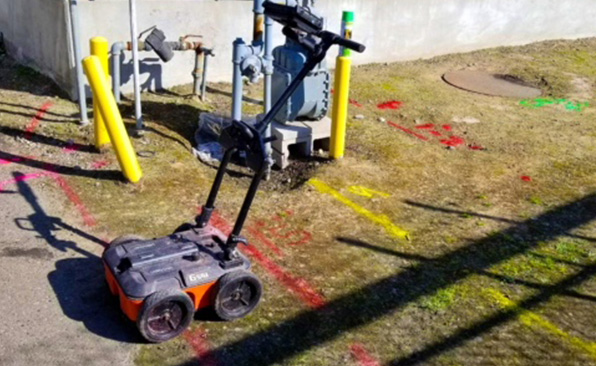
Electromagnetic locating equipment traces conductive or traced lines such as many electrical, gas, and telecom facilities. When conditions allow, GPR supplements this process by detecting changes in subsurface materials that may indicate non-conductive utilities like certain plastic water or sewer lines. These technologies generate a map of likely utility paths and depth ranges, which Safe2core then marks on the surface with paint, flags, or both.
Surface markings alone, however, only represent interpreted data. A painted line or symbol shows where instruments indicate a utility probably runs, not where crews can rely on a confirmed, measured clearance. To remove that uncertainty, Safe2core hydro excavates at key intersections, bore paths, and crossing points. Pressurized water cuts narrow slots or potholes while a vacuum system removes loosened soil; this process exposes the actual pipe or conduit, reveals its precise depth, and confirms its orientation. Once a utility is fully daylighted, the team can measure clearances, photograph conditions, and adjust construction methods or alignments as needed.
This distinction between surface markings and physical exposure changes how crews manage risk. Surface marks inform general planning and layout, while daylighted utilities guide final decisions about drill head paths, trench geometry, and equipment selection. By combining locating, GPR where conditions support reliable readings, and hydro excavation, Safe2core builds a layered understanding of the subsurface that supports safer and more predictable construction.
Hypothetical Sacramento-Area Scenario: Verifying Utilities Before Drilling
Hypothetical example for illustration: Consider a roadway improvement project along a busy Sacramento arterial where a contractor plans to install new fiber in a narrow utility corridor. The design team proposes a horizontal directional drilling (HDD) path between existing manholes on opposite sides of a signalized intersection. Record drawings and 811 responses indicate primary electrical, gas distribution, water, and multiple communications lines occupying the same area.
Before bringing in a drill rig, the contractor engages Safe2core to verify the utility layout along the proposed bore path. Safe2core first reviews available drawings, then performs utility locating and GPR scanning along the alignment. The investigation identifies several probable crossings: a gas main at one location, a large water main at another, and multiple duct banks carrying electrical and telecom near the intersection corner. These findings appear on the surface as paint marks and flags, with approximate depths annotated based on instrument responses.
Rather than accept approximations, the project team selects several critical conflict points for hydro excavation potholes. Safe2core uses hydro excavation to daylight the gas main at the planned bore depth, expose the crown and invert of the water main at a second crossing, and uncover both the top and sides of the electrical duct bank where the drill head will pass nearby. Each pothole confirms actual cover depth and horizontal position, and the team records measurements against the design profile.
With this verified data, the contractor adjusts the drill plan to maintain consistent separation from each utility. In practice, this might involve minor profile changes, a different entry angle, or a shorter drill shot broken into two segments. The result: the HDD operation proceeds with a clear, measured understanding of where utilities sit in three dimensions, not just as lines on a plan or marks on pavement.
Coordination with California 811 and Private Utility Locating
Safe2core coordinates hydro excavation and related services with the broader damage-prevention process that applies throughout California. California law requires excavators to contact California 811 before digging; utility owners then respond by marking their owned and maintained facilities or by indicating that no conflict exists in the described work area. These public locates cover many gas, electric, communications, and water/sewer systems, but they do not capture every private or unregistered line.
Private facilities on commercial properties, campuses, industrial sites, and some residential developments often fall outside 811’s direct responsibility. Examples include privately owned electrical feeders between buildings, irrigation networks, privately maintained sewer laterals, or tenant-installed communications infrastructure. Safe2core fills this gap by performing private utility locating and, when appropriate, GPR scans to identify and mark these additional subsurface assets. Once both 811 marks and private locates appear on the site, the combined picture guides where hydro excavation will provide the greatest value.
Hydro excavation supports this workflow as a targeted verification tool rather than a stand-alone locating solution. The process depends on appropriate pressure settings matched to soil conditions and utility types, along with excavation practices that respect owner-specific requirements. Some utility owners specify minimum standoff distances, particular exposure methods, or backfill procedures. Safe2core aligns hydro excavation methods with these requirements and adapts water pressure and nozzle selection to reduce the likelihood of coating damage or insulation disturbance while still removing enough soil to visually confirm the line.
Because hydro excavation exposes assets rather than merely detecting them, communication with utility owners and the site contractor remains central. Crews coordinate the timing of potholing with construction activities, confirm when and how exposed utilities will be protected or re-covered, and document findings in a way that supports both immediate field decisions and future maintenance. This coordinated approach, linked with 811 responses and private locates, gives project teams in Northern California a structured path from initial utility identification to confident excavation around critical underground infrastructure.
Environmental Impact and Soil Preservation with Hydro Excavation Services in Northern California
Targeted excavation that leaves more of the site undisturbed
Hydro excavation services in Northern California use focused water and vacuum power to create narrow, controlled excavations rather than broad, open trenches. By cutting only where the design requires, crews leave surrounding soils, vegetation, and surface finishes in place. This targeted approach sharply reduces the disturbance footprint compared with traditional mechanical excavation with buckets, teeth, and blades.
On a typical utility daylighting task, for example, a hydrovac crew opens a compact slot or pothole directly over the line; conventional equipment often needs a wider, deeper trench to reach the same depth safely. Less surface opened means fewer root systems exposed, reduced compaction in adjacent areas, and smaller patches of landscaping or pavement that need repair. For property owners and project teams, this translates into streamlined restoration planning and more predictable site conditions once construction wraps up.
Reducing vegetation damage and protecting root zones
When mechanical equipment tracks, pivots, and swings across a work zone, turf, plantings, and ornamental beds frequently suffer. In contrast, hydro excavation setups usually keep the truck or trailer in a fixed position, with hoses extended only where access is required. Because the excavation head removes soil precisely around the target location, trees, shrubs, and groundcovers often remain intact and in place.
Around mature trees and established landscapes, this precision brings particular value. Roots can be exposed and worked around instead of being cut blindly by a bucket or trencher. Crews can visually confirm root size and direction, then adjust the excavation path to maintain structural root mass around trunks and key drip-line areas. Over the long term, this approach supports healthier trees, more stable slopes, and landscapes that continue to perform as windbreaks, shade providers, and erosion buffers.
Limiting erosion exposure in Northern California conditions
Northern California’s varied terrain and climate—coastal influence, valley heat, and winter rainfall—create distinct erosion concerns on many projects. Whenever equipment opens wide areas of soil, stormwater can mobilize sediments and carry them into drains, creeks, or onsite low points. Hydro excavation narrows the open area and shortens the time that bare earth remains exposed, which directly decreases the surface available for runoff to erode.
Crews can sequence hydrovac work so that excavation, utility work, and backfill follow each other in rapid succession. Because the openings are smaller and more precise, they can be backfilled or stabilized quickly with native material or specified fill. This workflow keeps disturbed soil to a minimum and supports erosion control measures such as fiber rolls, silt fence, and inlet protection. Think about a rainy-season project near a Sacramento-area drainage channel: less open soil combined with timely backfill reduces the potential for sediment movement and simplifies stormwater best management practice implementation.
Managing slurry: from excavation to disposal
During hydro excavation, high-pressure water breaks up the soil while a powerful vacuum lifts the mixture into a hydrovac truck. The result is a soil–water slurry held inside an onboard debris tank. Because the system captures material as excavation progresses, work areas stay cleaner and crews avoid building spoil piles that spread across the site. Traffic lanes, walkways, and staging zones remain clearer, which improves mobility and keeps surrounding surfaces in better condition.
Once the debris tank reaches capacity or the task concludes, the slurry travels as a contained load to an approved offsite or onsite handling location. Depending on project specifications and waste classifications, contractors route this material to:
- Designated dump sites that accept non-hazardous hydrovac spoils for dewatering and reuse or landfill cover.
- Approved treatment or disposal facilities when soils fall under special waste or contaminated-soil requirements.
- Onsite stockpile or conditioning areas specified in the construction documents, where material can be stabilized, tested, or incorporated into engineered fill as allowed.
Transport, manifesting, and tipping follow the project’s waste management plan and applicable regulatory requirements, so spoil moves through a controlled path from excavation to final placement. Because slurry stays inside sealed tanks during hauling, it does not scatter along haul routes or blow from trucks, which keeps mud, dust, and debris off surrounding streets and neighboring properties.
Working near waterways, landscapes, and sensitive sites around Sacramento
Hydro excavation services in the Sacramento area often take place near levees, drainage channels, landscaped commercial campuses, and environmentally sensitive construction sites. In these settings, contractors aim to open the smallest possible footprint while still meeting design and access requirements. Hydrovac methods support this goal by confining excavation to narrow paths, potholes, or work pits rather than broad mass cuts.
Near waterways—such as irrigation canals, stormwater conveyances, or river-adjacent infrastructure—the ability to precisely locate and expose utilities reduces the need for benching and large-scale overexcavation. This tighter control keeps work farther from embankment toes and side slopes, which helps maintain existing vegetation that stabilizes banks. Likewise, at LEED-oriented or environmentally conscious campuses, targeted excavation near ornamental beds, bioswales, or permeable pavements preserves designed green infrastructure that supports stormwater infiltration and habitat.
Hydro excavation narrows and refines the excavation footprint; however, environmental performance ultimately depends on the overall project approach. Protection of waterways, habitats, and landscapes comes from the combined effect of hydrovac techniques, site-specific planning, spill prevention, and erosion and sediment control measures laid out in the stormwater pollution prevention plan and related documents. When contractors integrate hydro excavation into that broader framework, they gain added control over where and how soil is disturbed in sensitive locations.
Supporting contractor sustainability goals and material efficiency
Contractors across Northern California increasingly track sustainability metrics: disturbed area, materials used, waste generated, and restoration scope. Precision hydro excavation directly supports these efforts by limiting how much soil moves, how many surfaces need repair, and how widely spoils spread. Because crews open only what they need for safe access, they often avoid removing large volumes of otherwise stable or landscaped soil that would later require import material to replace.
This more focused excavation pattern can influence several aspects of project sustainability:
- Reduced unnecessary excavation volume, which lowers hauling needs and associated fuel consumption for truck trips linked to excess spoils.
- Potentially lower restoration inputs, since smaller excavations usually require fewer pallets of sod, less decorative rock, reduced concrete or asphalt patch quantities, and fewer plant replacements.
- Controlled spoil placement and handling, because slurry never forms uncontrolled piles; it moves through a defined path from excavation to tank to approved receiving site.
As design teams and owners request more transparent environmental practices, contractors can point to hydro excavation as one of the field techniques that aligns with resource efficiency and site preservation. While hydrovac alone does not determine overall project impact, it gives field crews a finer tool for shaping the ground, protecting existing features, and managing what leaves the site—all of which support broader sustainability objectives on Northern California construction projects.
Hydro Excavation Applications in Northern California and Strategic Next Steps
Where Hydro Excavation Delivers the Most Value
Hydro excavation services in Northern California support a wide range of construction, utility, and infrastructure projects, especially in dense urban areas and environmentally sensitive zones. On constrained streets in San Francisco, utility corridors in Sacramento, and aging neighborhoods in Oakland or San Jose, vacuum excavation gives project teams precise control over how and where they expose buried assets.
Instead of relying solely on maps or records that may be incomplete or outdated, field crews use hydro excavation to visually confirm what actually lies underground. This direct verification removes guesswork, aligns design intent with real-world conditions, and supports better decisions on sequencing, temporary shoring, and final alignments.
Utility Locating Support and Daylighting
Hydro excavation aligns naturally with private utility locating, 811 responses, and preconstruction surveys. After locators mark suspected utility paths with paint and flags, hydro excavation crews daylight those lines to confirm type, depth, and horizontal position.
On Northern California projects where multiple utility owners share congested corridors—telecom, gas, water, reclaimed, storm, and power—daylighting with hydro excavation produces a reliable picture of what actually occupies the right-of-way before heavy equipment moves in.
Potholing for Conflict Checks and Bore Verification
Potholing uses small hydro-excavated test holes to expose utilities at discrete locations. This method supports conflict checks along proposed trench lines, road widenings, or horizontal directional drilling (HDD) paths.
Potholing data feeds directly into utility conflict matrices and risk registers, supporting more accurate planning and coordinated scheduling among stakeholders.
Targeted Trenching and Slot Trenching in Tight Corridors
In urban and suburban areas where streets, sidewalks, and easements hold numerous overlapping utilities, hydro excavation supports targeted trenching and slot trenching. Both applications control trench width and depth while preserving existing structures and minimizing restoration boundaries.
Targeted and slot trenching give project teams a controlled way to expand utility capacity within mature corridors without excessive disruption to adjacent infrastructure or the community.
Physical Utility Exposure vs. GPR and Electromagnetic Locating
Project teams in Northern California frequently combine hydro excavation with Ground Penetrating Radar (GPR) and electromagnetic (EM) locating. Each method plays a distinct role, and understanding the differences between them helps you choose the right tool at the right stage.
In practice, project teams use GPR and EM to create a subsurface utility map, then apply hydro excavation selectively at high-priority points—such as crossings, congestion nodes, and tie-in locations—where they need verification for design or construction decisions.
How Safe2core’s Services Work Together on Real Projects
Safe2core’s hydro excavation services in Northern California do not operate in isolation; they integrate with the company’s GPR and private utility locating capabilities to support planning, utility verification, and controlled excavation. This combination gives contractors, engineers, and project managers a unified workflow from initial investigation through construction.
This integrated approach reduces uncertainty at every stage and gives stakeholders a clear, shared understanding of the underground environment before and during construction.
Next Steps: Discuss Your Northern California Project With Safe2core
Contractors, engineers, and project managers across Northern California use hydro excavation to support projects ranging from small tenant improvements to large-scale transportation, utility, and industrial upgrades. You can apply the same methods on your job to verify existing utilities, plan around congested corridors, and excavate with greater control.
Consider your current and upcoming work: do you face dense utility corridors, incomplete as-builts, or tight construction windows in cities such as San Francisco, Oakland, Sacramento, San Jose, or surrounding regions? If so, targeted hydro excavation combined with GPR and private utility locating will address many of those challenges.
Contact Safe2core to discuss project requirements, review your drawings and existing utility records, and request hydro excavation services in Northern California tailored to your specific scope and constraints. By aligning investigation, verification, and excavation, you set your project up for predictable progress and informed decision-making from the first mobilization through final closeout.
